Link popularity is a fundamental concept in SEO (particularly in link building), which basically refers to the volume (quantity) and quality of inbound links a website receives from other sites.
It is considered to be an editorial vote of confidence – which means that the more links you have, the more popular and even trustworthy and authoritative the page or website appears to search engines.
Table of Contents
ToggleHow Link Popularity Affects Rankings
Having a robust backlink profile is one of the most critical factors in assessing whether a page can climb higher in Google’s SERPs, which often requires possessing these core elements:
Authority and Trust
Links that are coming from reputable domains trusted by search engines can pass a part of their trustworthiness and authority score to your website – “link equity,” which helps increase your page’s perceived authority.
Relevance
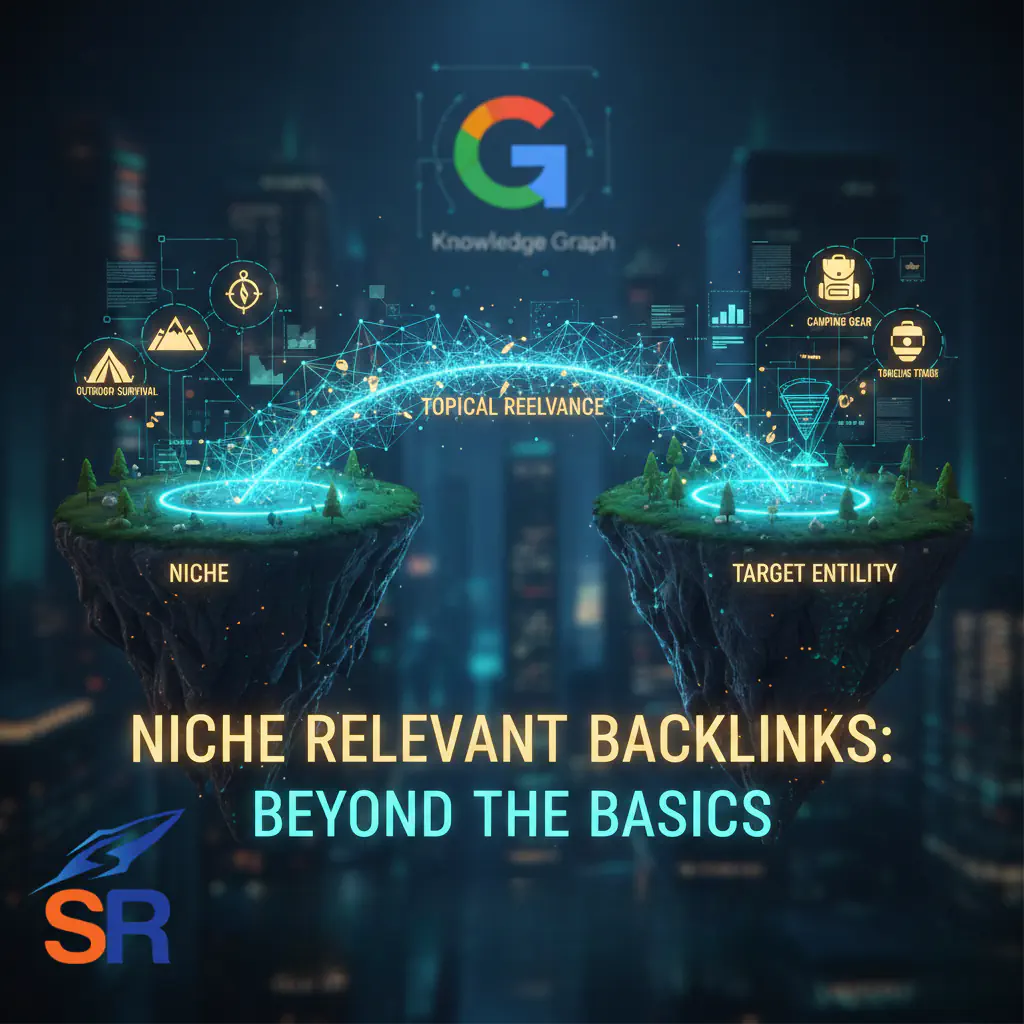
Links from websites within the closely related vertical (“topical relevance”) are actually more valuable in helping search engines better understand the topical context of your page.
Competitiveness
Data studies from Ahrefs consistently show that top-ranking pages, especially those battling for competitive keywords, have far more significant referring domains and higher-quality links than lower-ranking pages. Competing against them requires a more robust backlink profile.
How Link Popularity Affects Crawling and Index Stability
Link popularity directly influences how often and how thoroughly search engines’ crawlers (“spiders”) visit and assess your website, which truly impacts your site’s presence in the index.
Enhanced Crawlability
Search engine bots primarily discover new and updated pages by following links. So, having a healthy link profile with a solid internal link structure can provide a smooth pathway to guide crawlers to your webpages. The more quality inbound links pointing to your website, the more frequently these crawlers are likely to visit.
Index Stability
Websites with higher link popularity are more established and reliable, which can lead to faster indexing of new content and help stabilize their presence in the search index, given that search engines are less likely to flag the website as low-quality.
How Link Popularity Affects Topical Authority
Link popularity helps drive more topical authority, given that search engines want a website that has been a go-to source of information and a resource on a given subject.
Validation of Expertise
When your site acquires links from multiple authoritative websites – like gov backlinks (that are very well-known in your industry or topic area), your site becomes more powerful and serves as a collective endorsement from many credible resources. It validates that your brand is a comprehensive resource on the subject.
Content Clustering
Links will help establish the connection between pillar pages and cluster content (if you pursue a clustering strategy on your content marketing). Having a network of relevant links from topic-specific sources can help strengthen your site’s overall topical cluster (and, as mentioned earlier, topical authority) across the entire website, helping its other pages rank faster than competing pages with even more links.
7 Core Tips for High-Impact Link Popularity
Here are a couple of impactful, actionable strategies you can use to strengthen your website’s link popularity.
1. Focus on Quality of Referring Domains (RDs)
One of the most powerful ranking factors to consider in link building is referring domains (RDs). While volume is significant in the link acquisition game, getting one link from a couple of authoritative, relevant websites is better than getting tens of links from a single low-quality website.
When there are ten different reputable sources vouching for your content, it signals to search engines (Google) a wider consensus about your site’s authority and reliability.
A backlink profile with multiple unique domains is much harder to manipulate than one with thousands of links from just a few domains. A diverse, high-quality network of linking websites can inherit trust from Google.
It also helps you mitigate risk when you can get links from multiple, high-quality RDs, rather than relying heavily on a single domain that accounts for a large percentage of your links, creating a significant vulnerability. If, for instance, the domain’s authority drops or if they decide to remove all their links to your site, your website rankings could suffer dramatically.
When starting an outreach campaign, conduct a backlink audit of the website first. And identify the most authoritative sites and industry publications that have never linked to you before – and try to focus your efforts exclusively on them (doing that one thing alone).
2. Create the “Best Answer” Content
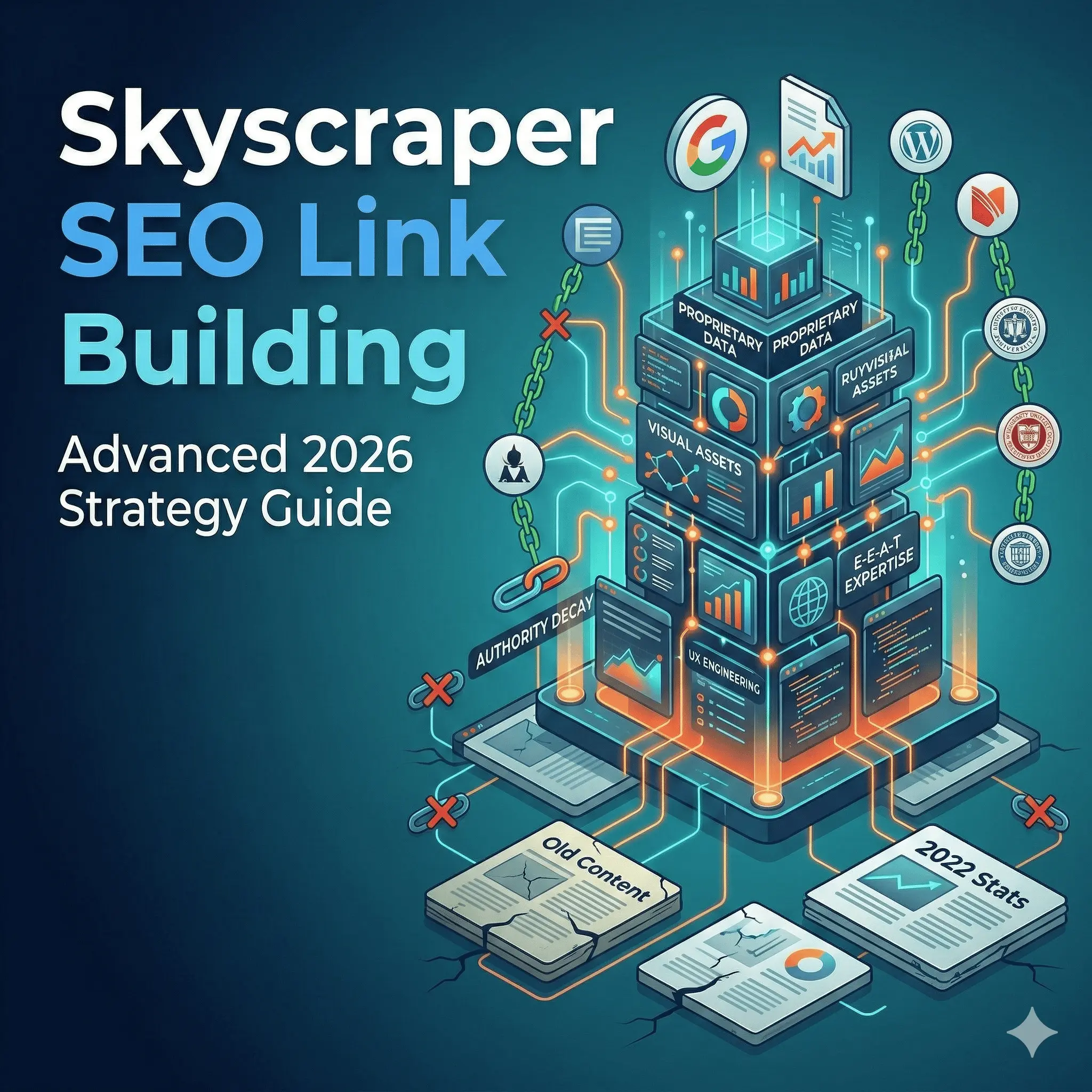
Content marketing today is no longer about creating “skyscraper assets” – longer formats than other competing content pieces.
The game has changed into developing unique, indispensable content that naturally earns links by actually becoming the default (go-to) resource in your niche.
Passive link building – where other websites link to you without being asked (through direct or manual outreach) is the most powerful and scalable form of link acquisition, as you’re utilizing the power of “leverage” and momentum to your advantage.
Invest in content assets that inherently attract citations, through formats and examples of content like:
- Proprietary data – analyze unique data within your industry (e.g., spending habits trends, usage statistics) that no one else possesses – then publish those findings on your website.
- Annual Industry Survey: Conduct a comprehensive, annual survey of professionals, consumers, or a specific target audience within your audience and release the results as a report (e.g., State of SEO or State of Link Building). The yearly update ensures continued relevance, learning experience, and links.
- Unique Tools or Calculators – develop and promote a free, embeddable, or easy-to-use tool that’s high-utility for your target audience (e.g., a calculator, a checklist generator, or a benchmark tool).
3. Maximize Internal Link Flow
Care about internal links as much as you do about inbound links. Use internal links to efficiently spread the link authority (link equity) you gained from external links across your most critical pages.
Here are a couple of actionable tips to do a strategic internal linking audit:
- Identify power pages – you can use Ahrefs or SEMrush to determine pages with the highest number of inbound referring domains (“power pages”).
- Identify target pages – find your core conversion pages (product, service, or any high-value landing pages) that need a ranking lift.
- Establish contextual links – go into your power pages and strategically embed contextual links to point to your target pages.
- 4. Systematically Repair Broken Links
While broken links happen for many reasons, you can prevent the loss of valuable link equity (you gained) by managing links pointing to your non-existent page (404 errors) and preserving that link authority.
The authority from lost backlinks, if not recovered or repaired, can significantly affect your site’s overall link popularity and your website rankings.
Create a 301 redirection protocol:
- Audit for broken inbound links – take the time to audit your site using Ahrefs or other tools to generate a list of all external pages linking to webpages on your site that currently return a 404 error.
- Check the destination – for each broken page, get the most relevant existing page on your website – it could be an updated version of the old content, the category page, or your site’s homepage.
- Do a 301 redirect from a broken URL to the most relevant page on your website (by doing so, you signal to Google that the page has permanently moved, which passes the link equity from the external link to the new location URL).
5. Leverage the “Resource Page” Audit
You probably have earned links from multiple resource pages. However, you can still find and target more that frequently link to your competitors, similarly resources, and non-competing tools, and strategically propose a content asset as a valuable addition to other links or resources pages.
Here’s how to get more resource page link opportunities:
You can use advanced search operators and search queries to find more of these resource page links (“niche” + “best resources”, “niche + “tools and guides).
Assess and quality the resource page and reach out through email using an angle that aligns with their values, making the entire request about their mission rather than just an SEO benefit..
Here’s a mission-driven example of an email outreach:
“I noticed your ‘Community Health Resources’ page – it’s such a good service for local families. I saw you focus heavily on [X topic], but I believe your users in the middle school age group might be missing a dedicated guide on ‘Digital Safety and Mental Health.’ We recently published a comprehensive resource asset on this topic that’s been adopted by three local school districts. Adding it would directly support your mission of reaching that younger, vulnerable demographic. Could you consider adding it to your ‘Youth Wellness’ section?”
Final Thoughts: Link Popularity as a Perpetual Asset
Link popularity is not like any other short-term marketing tactics, but a perpetual asset and a fundamental measure of your website’s reputation in your industry and within the digital ecosystem. But as this is the largest factor in driving ranking potential and domain and brand authority, it demands continuous, strategic investment that merges content development, tactical outreach, and meticulous maintenance.
Written By

Venchito Tampon
Founder of Link Building Services IO and CEO and Co-Founder at SharpRocket, a link building agency. With a decade of experience, Venchito has a proven track record of leading hundreds of successful SEO (link builidng) campaigns across competitive industries like finance, B2B, legal, and SaaS. His expert advice as a link building expert has been featured in renowned publications such as Semrush, Ahrefs, Huffington Post and Forbes. He is also an international SEO spoken and has delivered talks in SEO Zraz, Asia Pacific Affiliate Summit in Singapore, and Search Marketing Summit in Sydney, Australia.
Reviewed By

Sef Gojo Cruz
COO at SharpRocket, overseeing end-to-end operations, from crafting link building strategies to leading high-performing teams. Previously led SEO initiatives at Workhouse, a digital agency in Australia, and Keymedia, a real estate media company based in New Zealand.