There’s no better time to be creative than now, especially with new technologies and AI that can assist in creating helpful content to address users’ problems and earn the right types of links for your audience. This will help your brand to race to the top of traditional search results and provide many relevant AI-generated answers.
Creative link building, plainly, is the process of applying unique methodologies beyond traditional means to create unique, helpful content in pursuit of trusted, authoritative backlinks.
Given that the response and link conversion rate for cold email outreach campaigns gets thinner and thinner, integrating creative strategies for new outreach angles is an innovative business model for many link building agencies and in-house SEO teams today.
Core Principles of Creative Link Building
We live by principles, and for link building, it is critical to implement them in many campaigns.
Originality + Expertise
Creativity is about coming up with fresh ideas from firsthand research, expert commentary, or principles applied from professional (academic) credentials. When these unique insights are combined with a subject-matter level of credibility, the content becomes more distinct and trustworthy, making it easier to attract links.
Utility + Experience
Utility in content is lowering the gap between theoretical knowledge and actual real-world application. When your content is much easier to implement or use—i.e., tools, templates, or checklists—it is more likely to become stronger assets. Moreover, when specifically crafted by actual practitioners in the field, it resonates even more with target users. Demonstrating how solutions work in actual practice increases the reliability and link-worthiness of a particular piece of content.
Multimodal Experience + Authoritativeness
User engagement comes with presenting content in multiple formats (charts, video, visuals, audio, etc.) to address learning styles and modes and explain complex ideas clearly across different media and platforms. This helps position your brand as an authoritative source, as it’s resource-intensive to produce assets in a multimodal experience—think of 10X content.
Distribution + Trustworthiness
The first principle of any content is that it needs to be shared or promoted before others can see it, whatever the promotion is. When creative assets actually reach the right audience, trust seals the deal. So, learning how to strategically distribute content using ethical outreach and consistent messaging can help get more eyeballs to what you offer and make the campaign sustainable enough to earn passive links.
Best Content Assets for Creative Link Building
1. Data-Driven Content
Original data is a cornerstone asset for many brands today, as it intrinsically attracts links from journalists and bloggers, who need to validate their opinions and insights and highlight more of their content points.
You can start creating your own data-driven content by running surveys or polls relevant to your audience and industry (it’s a plus if you have a huge customer base, as it will be cost-effective to run them with a simple email marketing campaign).
Another way is to identify public data (e.g., government databases, financial records, etc.) and package findings into digestible takeaways that users can easily understand.
Make it even more consumable by visualizing the data with diagrams, necessary screenshots, and frameworks for publishers to easily reference your work. Adding it up highlights counterintuitive and more interesting findings that couldn’t be found anywhere else, increasing the likelihood of getting unique brand mentions and referential links.
Not theoretical, these are branded examples of data-driven content:
2. High-Utility Content Elements
Content creation has become more holistic as it demands other content elements to complement the way people consume content—so much so that it would save people time or simplify their decisions (as we know, people have very limited attention span).
These high-utility elements include calculators, checklists, and frameworks, which are highly linkable assets that publishers and other content creators would love to embed or reference in their content (especially if the high-utility content hasn’t been created elsewhere).
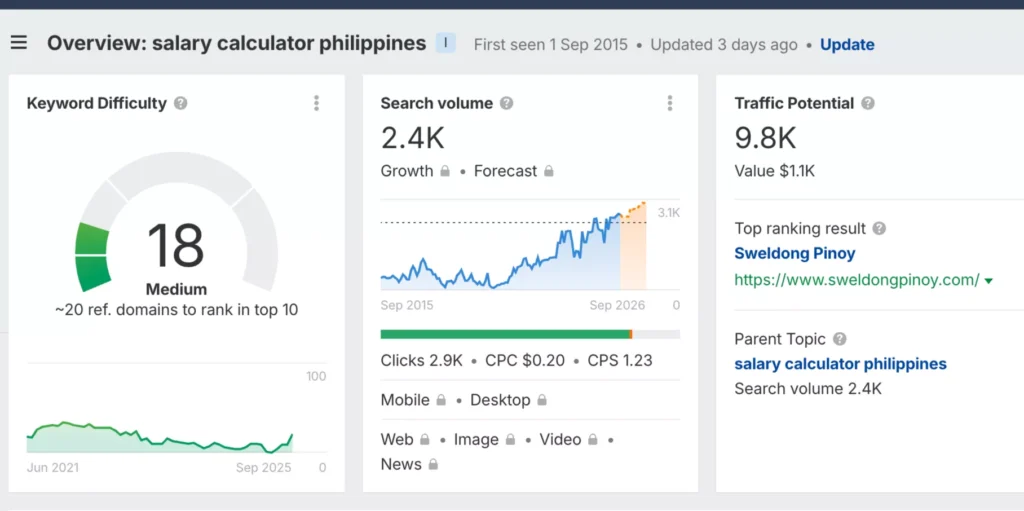
For instance, I’ve created a simple salary calculator helping Filipinos have a rough estimation of their net salary (less of tax and other expenses). The keyphrase, “salary calculator Philippines,” gets 2.4K/month plus all its keyword variations, with hundreds to thousands of monthly searches.
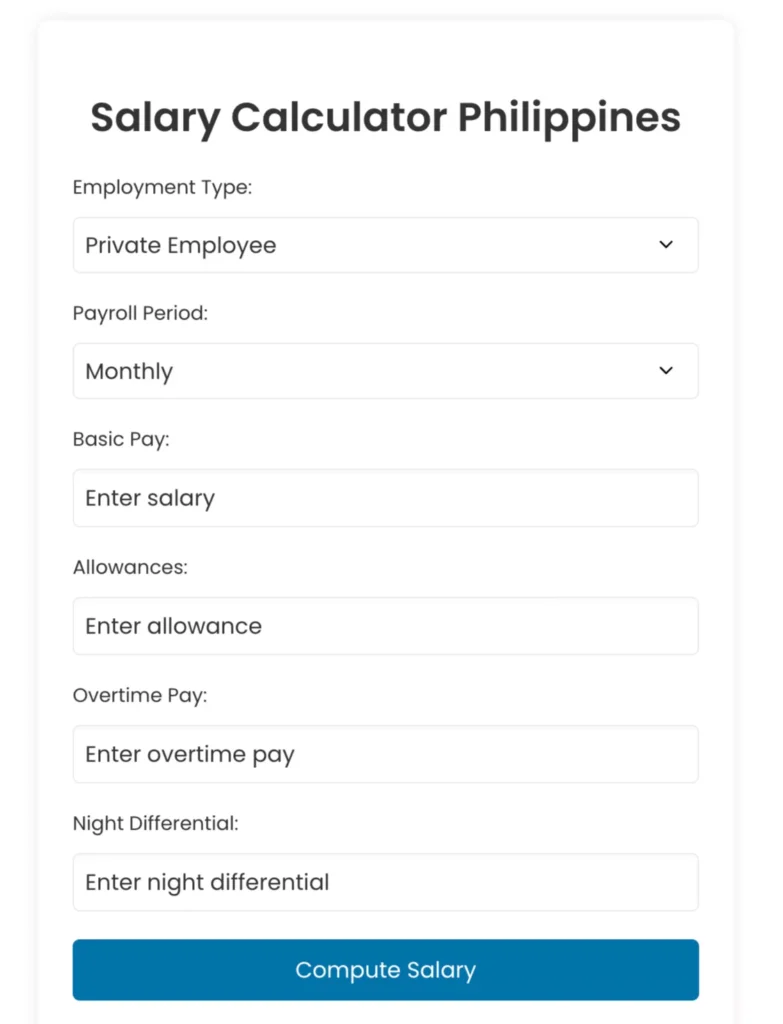
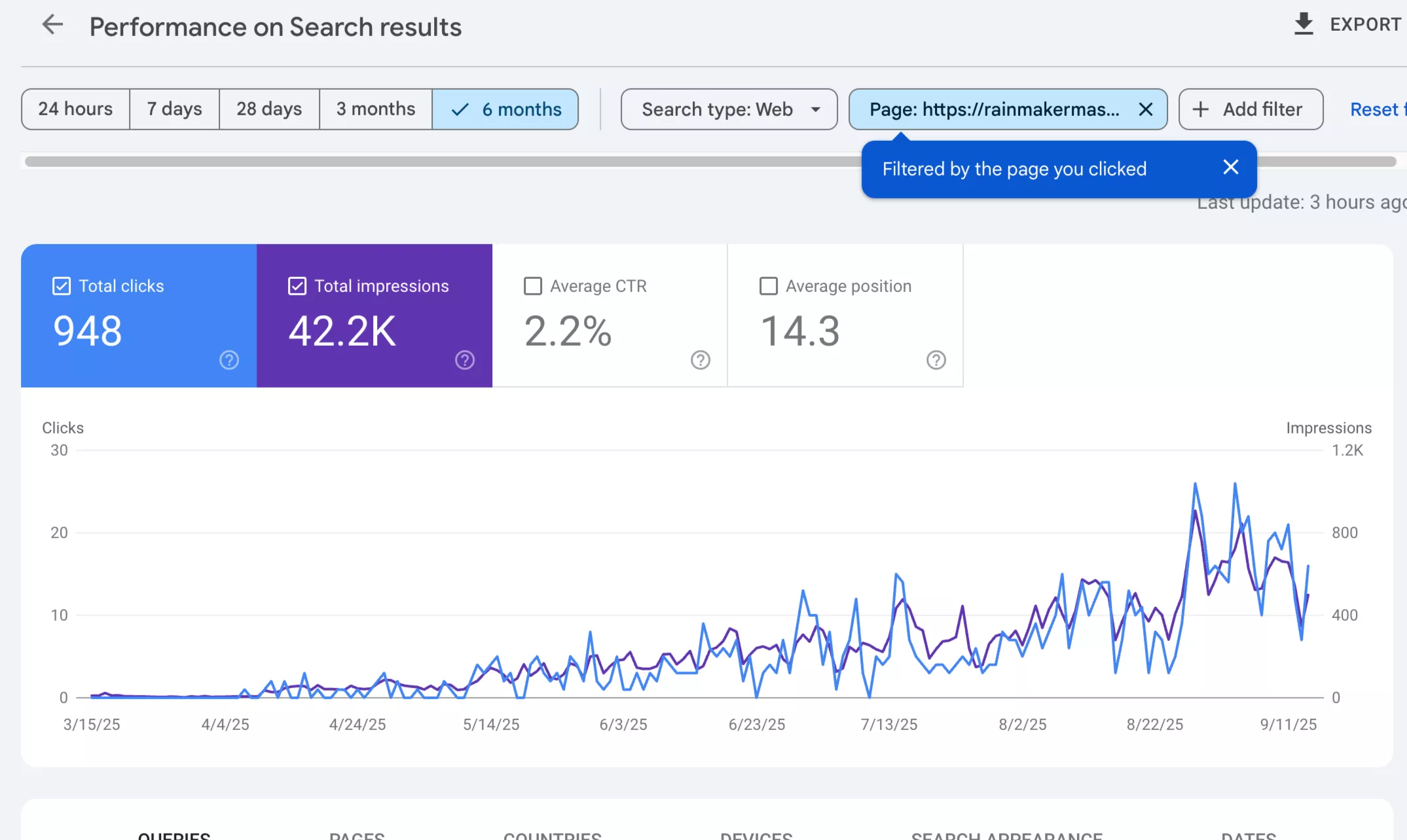
You can do the same by using AI tools to help you create interactive tools that people will revisit and get traction where other publishers would start referencing in their work.
Best high-utility content assets that actually earned links:
3. Multimodal Assets
Increasing user engagement on your content can help improve brand appeal and the likelihood of earning backlinks from different types of publishers. Users prefer content differently, so scanning charts, watching short-form videos, and listening while multitasking must all be selected strategically and integrated into your content.
A few examples of multimodel assets you can try:
- Images and GIFs – many visual snippets add more flavor through entertainment or to simplify complex processes.
- Charts and diagrams – make it easy for people to embed and cite these assets.
- Explainer videos – best for SaaS and physical products
- Audio breakdowns or podcasts – help create more thought leadership for niche audiences.
- Interactive slides are best for coaches, consultants, educators, and service providers (the shareability factor is the linkable aspect).
- Infographics – this still works; try to condense long-form content into a linkable visual asset.
4. Cultural & Timely Angles
Relevance goes beyond the topic and content theme between your brand and your message, context, and audience. When content is tied to any cultural moment or emerging topic in your space, it garners interest and earns links from publishers and journalists—especially the ones who are constantly looking for fresh takes on trending conversations (similar to how “newsjacking” works).
A couple of cultural and timely angles you can ride the wave with:
- Seasonal trends – back-to-school season, Black Friday, or holidays
- Pop culture – music, TV personalities, celebrities, or any viral moment
- Industry trends – policy changes, emerging tools and software, or AI breakthroughs
- Newsjacking – putting new perspectives or insights on breaking news based on your own experience and expertise
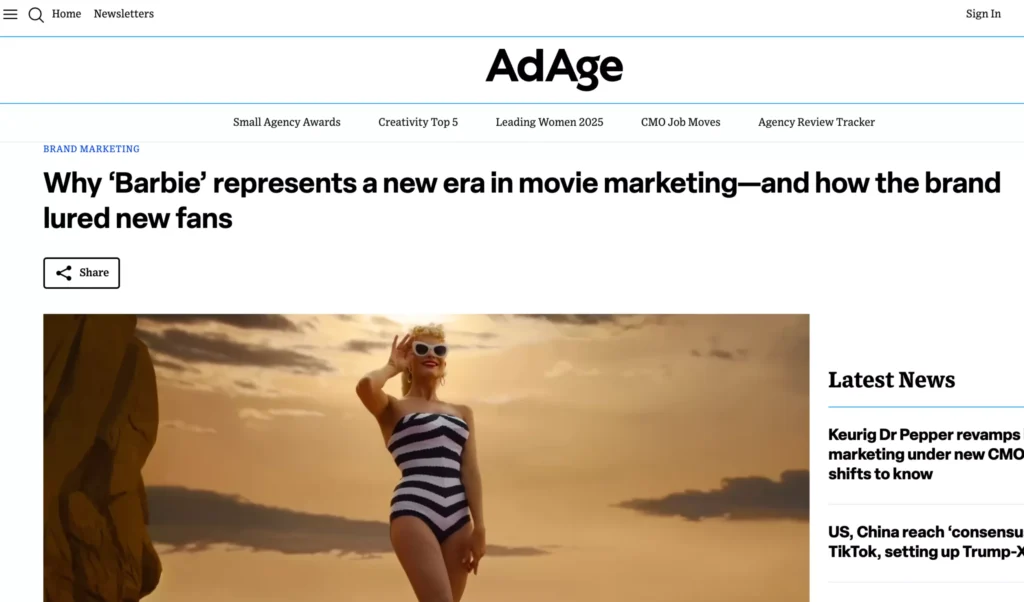
Here are a few real-life examples of timely and cultural campaigns:
5. Evergreen Resource Hubs
Far from being outdated, evergreen content still earns brand visibility, relevant organic traffic from traditional Google SERPs, and AI-generated answers.
Evergreen content, when crafted perfectly, can continue to drive backlinks months or even years after publishing. Given its depth and originality, and if EEAT principles are applied correctly, it can massively get accolades from web educators and niche professional bloggers.
The Bigger Picture
Creative link building campaigns are beyond just following the fad or trends—they’re actually becoming the new standard for earning and building relevant, trusted backlinks now that we’re in a very crowded digital content space.
Where many traditional content promotion tactics diminish in their returns, brands and agencies need to come up with innovative ideas to serve their target users (customers) through the content they publish on their sites.
The future of content-led link-building campaigns still heavily relies on genuinely helping people so they will reference, share, or cite you in their own content, increasing your brand influence and thought leadership.
Written By

Reviewed By

Sef Gojo Cruz
COO at SharpRocket, overseeing end-to-end operations, from crafting link building strategies to leading high-performing teams. Previously led SEO initiatives at Workhouse, a digital agency in Australia, and Keymedia, a real estate media company based in New Zealand.